
Bill McGlynn
7 Keys to Successful Google Ads Management
Google Ads can place your business in front of people who are actively searching for your products or services. However, simply creating a campaign, choosing a budget, and writing an ad does not guarantee results.
Successful Google Ads management requires accurate tracking, careful targeting, relevant advertising, strong landing pages, and regular review. Without those pieces, a campaign can generate plenty of clicks while producing very few customers.
Here are seven of the most important things you must do to manage Google Ads successfully.
1. Set Up Accurate Conversion Tracking
Conversion tracking should be established before you begin spending money.
A conversion is an action you want someone to take after clicking your ad. Depending on your business, that action might include:
- Calling your company
- Submitting a contact form
- Requesting an estimate
- Scheduling an appointment
- Making a purchase
- Signing up for a newsletter
Google Ads can report clicks and website visits without conversion tracking, but those numbers do not tell you whether the advertising is helping your business.
For example, one campaign may generate 200 clicks and another may generate only 75. The campaign with fewer clicks may still be more valuable if it produces more calls, appointments, or sales.
Accurate tracking also gives Google better information when automated bidding is used. Google’s Smart Bidding strategies use conversion data to help optimize bids for conversions or conversion value. If the wrong actions are being counted, Google may optimize the campaign toward activity that does not produce meaningful business results.
Test every conversion before relying on the data. Submit a form, click the phone number, complete a test purchase, and confirm that each action is recorded correctly.
2. Choose Keywords Based on Search Intent
Keywords help Google understand when your ads may be relevant to someone’s search.
The goal is not to collect the largest possible keyword list. The goal is to identify the searches most likely to come from potential customers.
Consider the difference between these searches:
“bathroom remodeling ideas”
“bathroom remodeling contractor near me”
The first person may be gathering inspiration. The second appears much closer to hiring a contractor.
Both searches may relate to bathroom remodeling, but they represent different levels of buying intent. A successful campaign gives greater attention to searches connected to the service, location, problem, and action the business wants to attract.
Keyword match types also affect how closely someone’s search must relate to your chosen keyword. Broad match can help uncover additional searches, but it can also expand beyond what you expected. Phrase and exact match offer additional control, although neither should be treated as a guarantee that every search will be perfectly relevant.
The search terms report should therefore be reviewed regularly. It shows many of the actual searches that caused your ads to appear.
3. Use Negative Keywords to Reduce Wasted Spending
Negative keywords tell Google when you do not want an ad to appear.
Suppose a company sells commercial display systems but does not repair televisions. Searches involving terms such as “TV repair,” “used television,” or “home entertainment” may be irrelevant. Adding appropriate negative keywords can prevent the business from paying for some of those unwanted clicks.
Common negative keywords may include words such as:
- Free
- Jobs
- Salary
- Training
- Classes
- DIY
- Used
The correct negative keywords will be different for every business. A college, employment agency, or training company would not automatically want to block words such as “jobs” or “classes.”
Negative keyword management is therefore an ongoing process, not a one-time setup task. Google specifically recommends using search-term information to identify negative keyword opportunities and improve targeting.
Be careful not to block valuable searches accidentally. A negative keyword that is too general can prevent your ads from reaching qualified prospects.
4. Keep the Keyword, Ad, and Landing Page Connected
Relevance is one of the foundations of successful Google Ads management.
A potential customer should experience a clear connection between:
- What they searched for
- What the advertisement says
- What they see after clicking
Imagine that someone searches for “emergency plumber in Naperville.” The ad should mention emergency plumbing and the appropriate service area. The landing page should immediately confirm that the company provides emergency plumbing in or near Naperville.
Sending that person to a general homepage forces them to search for the information they need. Many visitors will leave instead.
Google’s Quality Score can help diagnose relevance problems. It uses a 1-to-10 scale and considers expected click-through rate, ad relevance, and landing-page experience. Google describes it as a diagnostic tool for comparing the quality of your ads with those of other advertisers. It is not a direct auction-time calculation of Ad Rank.
A low score can indicate that the keyword, ad, or landing page needs attention. The goal, however, is not simply to chase a higher score. The larger goal is to create a useful and relevant experience for the customer.
5. Improve the Landing Page Experience
An ad can bring someone to your website, but the website must persuade that person to take the next step.
An effective landing page should quickly answer several questions:
- Am I in the right place?
- Does this company provide what I need?
- Can I trust this business?
- What should I do next?
Place the primary service or offer near the top of the page. Include a clear call to action, such as “Request an Estimate,” “Schedule an Appointment,” or “Call Now.”
The page should also work properly on mobile devices. Buttons should be easy to tap, text should be readable, forms should be simple, and the page should load without unnecessary delays. Google Ads includes landing-page reporting that can help advertisers identify pages with mobile-experience problems.
The page must also deliver what the ad promised. If the ad promotes a free consultation, seasonal discount, or specific service, visitors should see that information immediately after arriving.
6. Use Automation Without Abandoning Oversight
Google Ads relies increasingly on automation. Smart Bidding can adjust bids during each auction, while Performance Max campaigns can place ads across Google properties such as Search, YouTube, Display, Discover, Gmail, and Maps.
These tools can be useful, but automation does not eliminate the need for management.
The system still needs:
- Accurate conversion tracking
- Appropriate campaign goals
- Useful advertising assets
- Realistic budgets
- Reliable audience and customer information
- Regular performance reviews
Automation will optimize toward the goals and data it receives. It cannot determine whether a form submission became a qualified prospect unless that information is returned to the platform through better conversion tracking or offline conversion data.
Managers should continue reviewing search behavior, lead quality, locations, devices, campaign settings, advertising assets, and conversion results. The purpose of automation is to improve decision-making at scale, not to make human oversight unnecessary.
7. Measure Business Results, Not Just Clicks
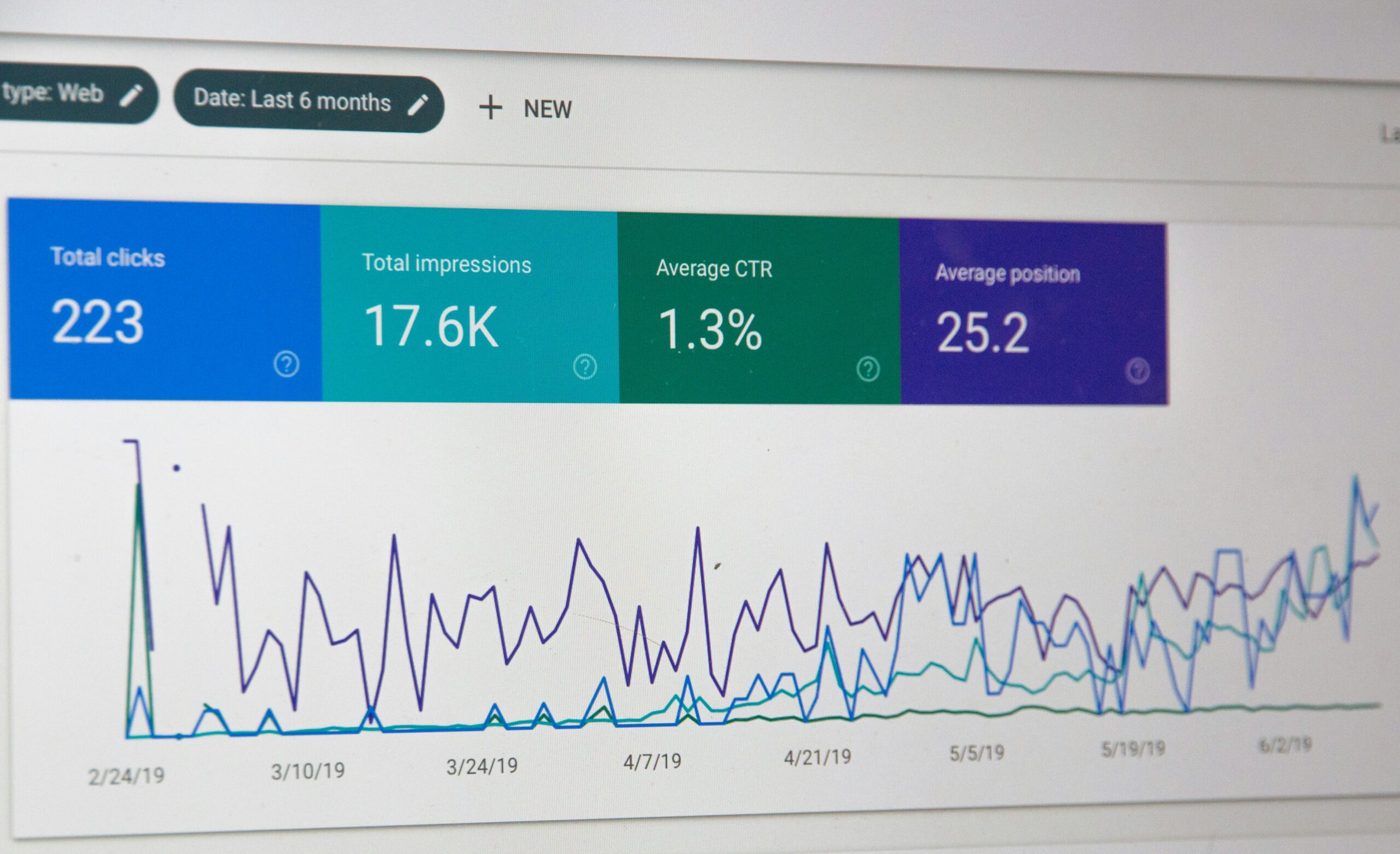
Clicks, impressions, and click-through rates can help diagnose performance, but they do not provide a complete picture.
A campaign with a high click-through rate can still fail if the visitors never become customers.
The most useful measurements often include:
- Number of qualified leads
- Cost per qualified lead
- Number of sales
- Cost to acquire a customer
- Conversion value
- Return on ad spend
- Revenue generated
Lead quality matters especially for service businesses. Ten inexpensive form submissions are not valuable when most involve job seekers, spam, vendors, or people outside the service area.
Connect advertising results with actual sales whenever possible. Ask which leads became appointments, proposals, customers, or completed purchases. That information helps determine which campaigns are contributing to revenue rather than merely producing activity.
Google Ads Success Requires Ongoing Management
Successful Google Ads management is not based on one setting, bidding strategy, or campaign type. It comes from connecting accurate data with customer intent.
Start by tracking the actions that matter. Target searches from people who are likely to become customers. Block irrelevant traffic, write ads that match those searches, and send visitors to pages that clearly address what they need.
Automation can support the process, but it should operate within a thoughtful strategy. Campaigns must still be reviewed, tested, and adjusted based on lead quality and business results.
The central question is not, “How many clicks did the ads receive?”
It is, “Did the advertising help the business acquire profitable customers?”
That is the standard that should guide every Google Ads management decision. Check out our Paid Search Media service!